


We develop tailored virtual reality experiences for Meta Quest headsets: historical 3D reconstructions, 360° video and interactive tours that take visitors to places that no longer exist, that cannot be visited, or that have not yet been built. We handle everything, from the research and modelling through to launch in museums, tourist offices and events.
What is virtual reality?
Virtual reality completely replaces what the user sees and hears: with a headset, they find themselves inside a 3D environment or a 360° video and move through it by turning their head or walking, at life size.
In tourism and heritage we use it to reconstruct monuments and archaeological sites as they once were, or to show spaces that cannot be opened to the public. In museums, to step into a work of art or into another period. In business, to train staff, present a product or show a property before it is built.
Many of our experiences start from a digital twin of the place, and are combined with augmented reality or immersive rooms when the project calls for it.
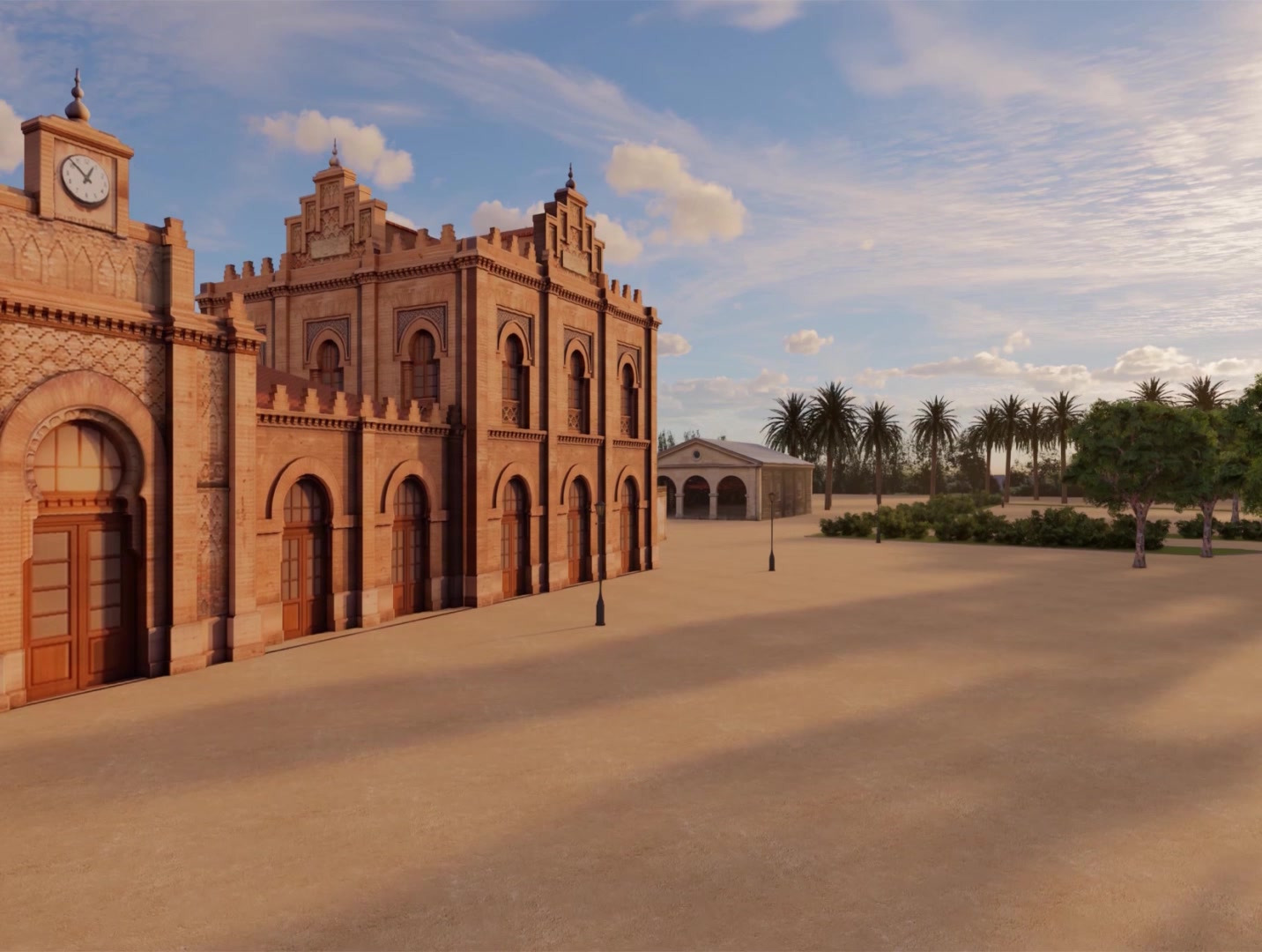
3D reconstruction of Huelva-Término station in Rio Tinto VR.
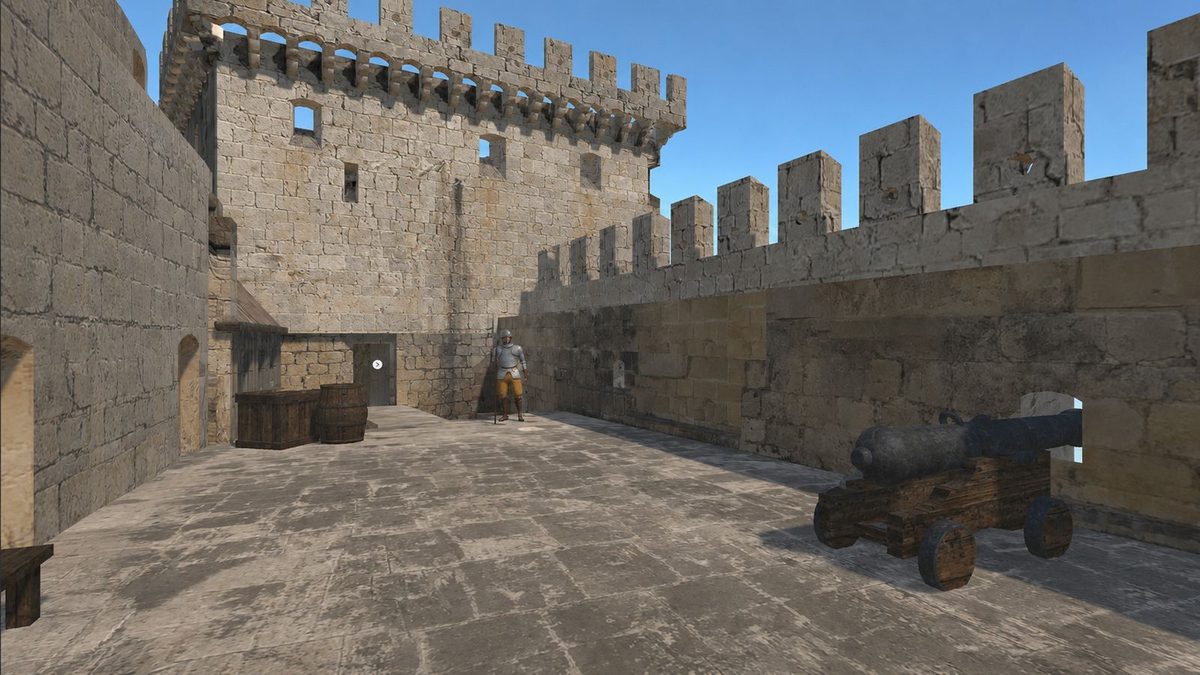
The parade ground of the Castillo de los Vélez in virtual reality.
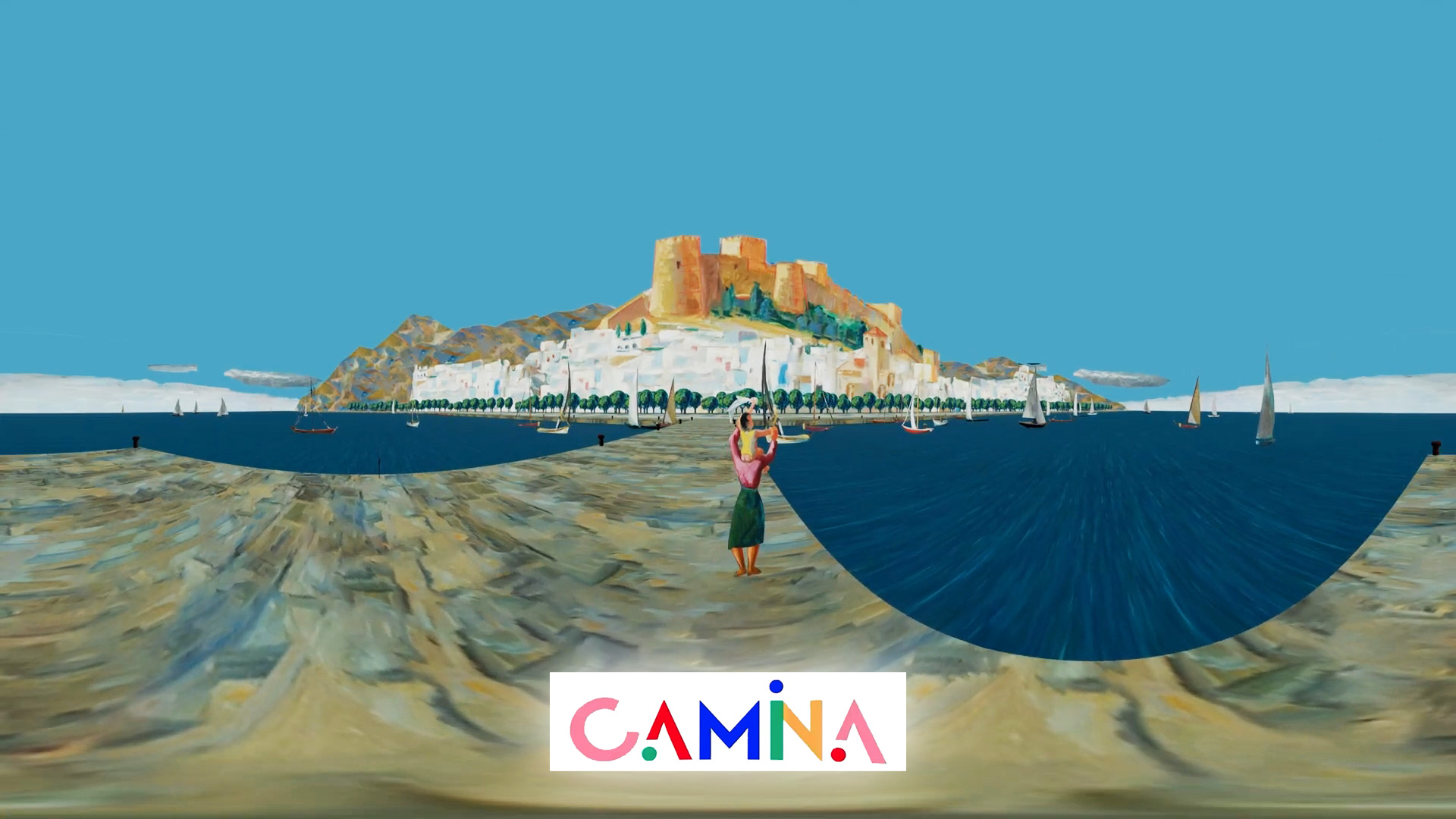
A 360° scene from the CAMINA VR experience, in Almería.
Benefits of Virtual Reality
How we do it
The same process we have used to take castles, archaeological sites, harbours and museums into virtual reality:
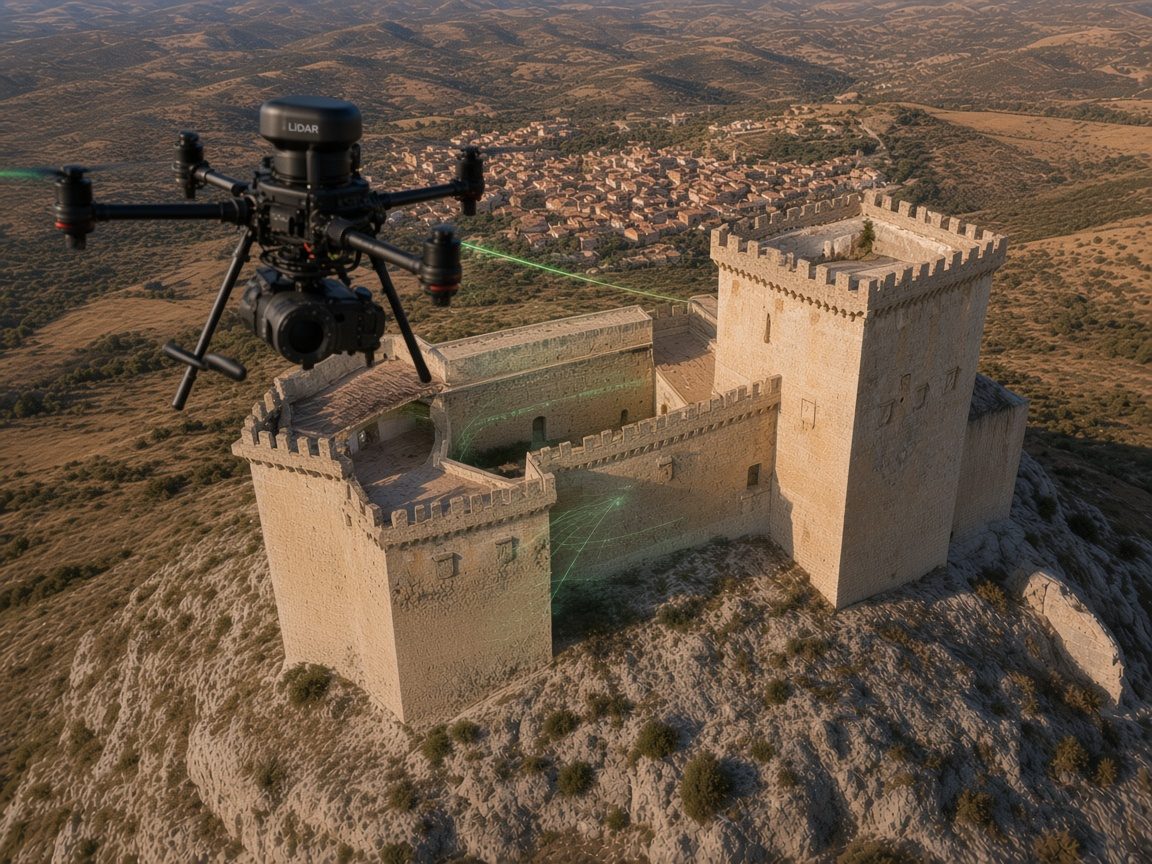
LiDAR drone scan of the Castillo de los Vélez (Mula).
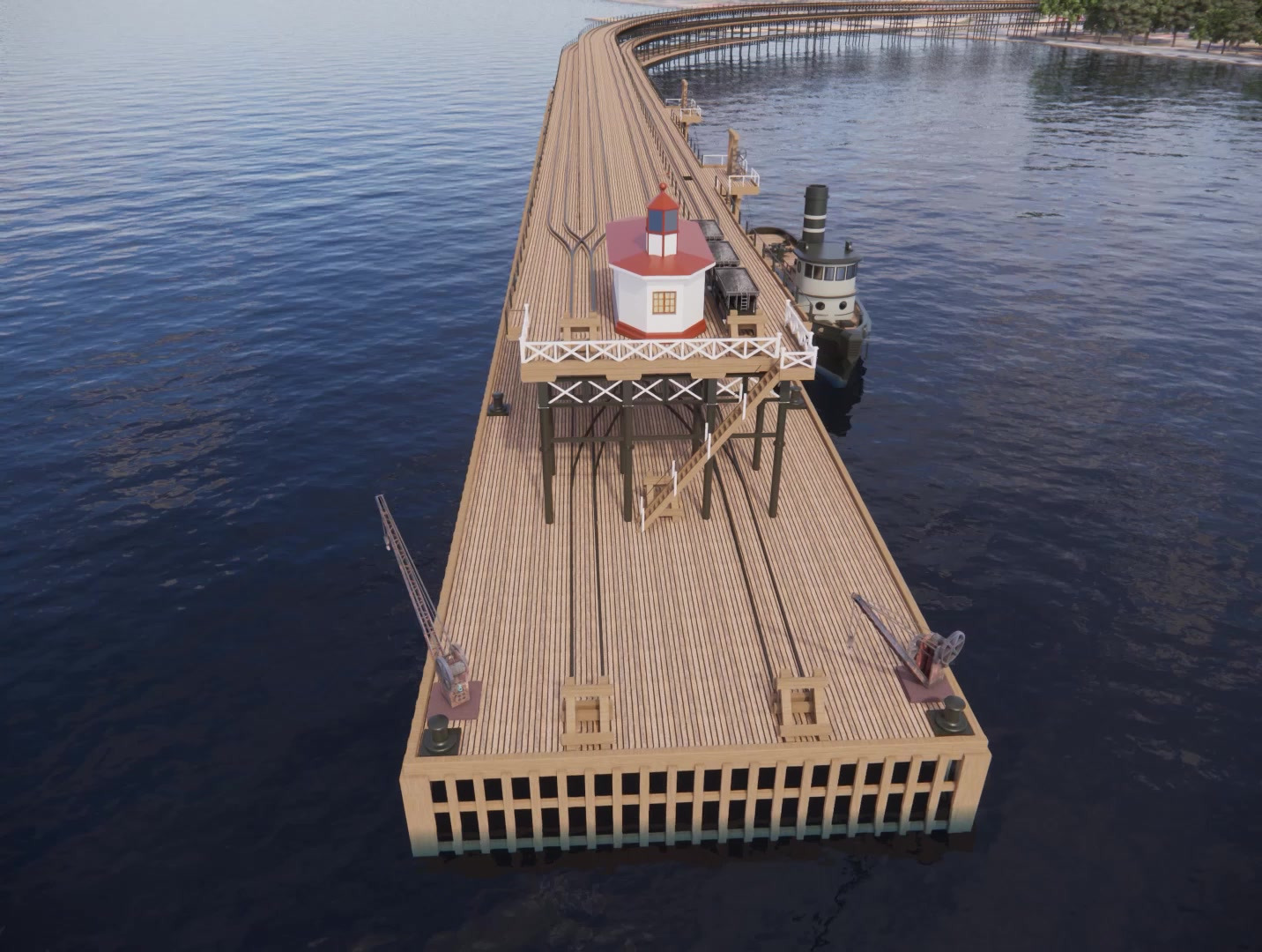
3D reconstruction of the Rio Tinto Company’s Pier, in Huelva.
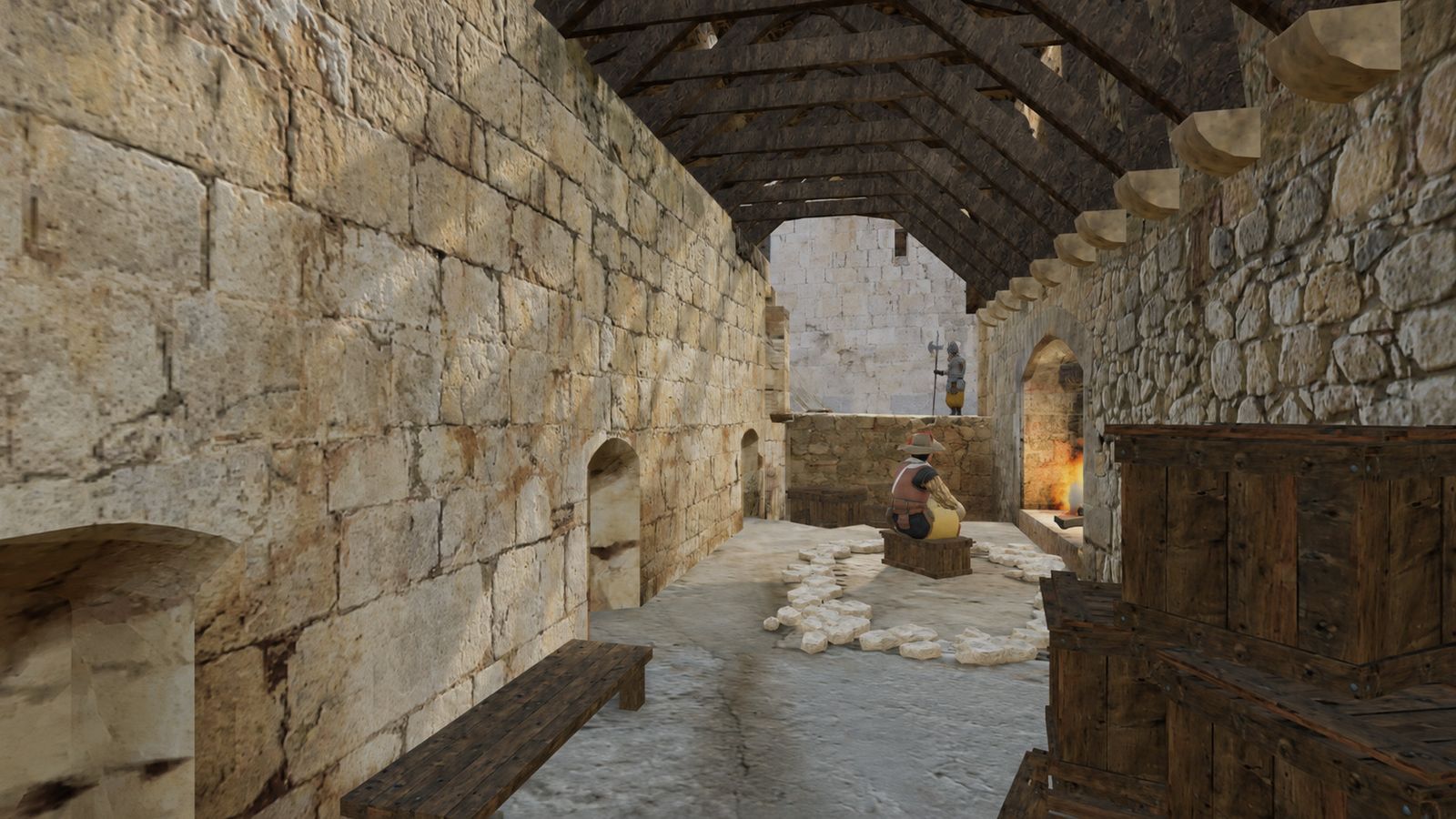
Virtual reality experience of the Castillo de los Vélez.
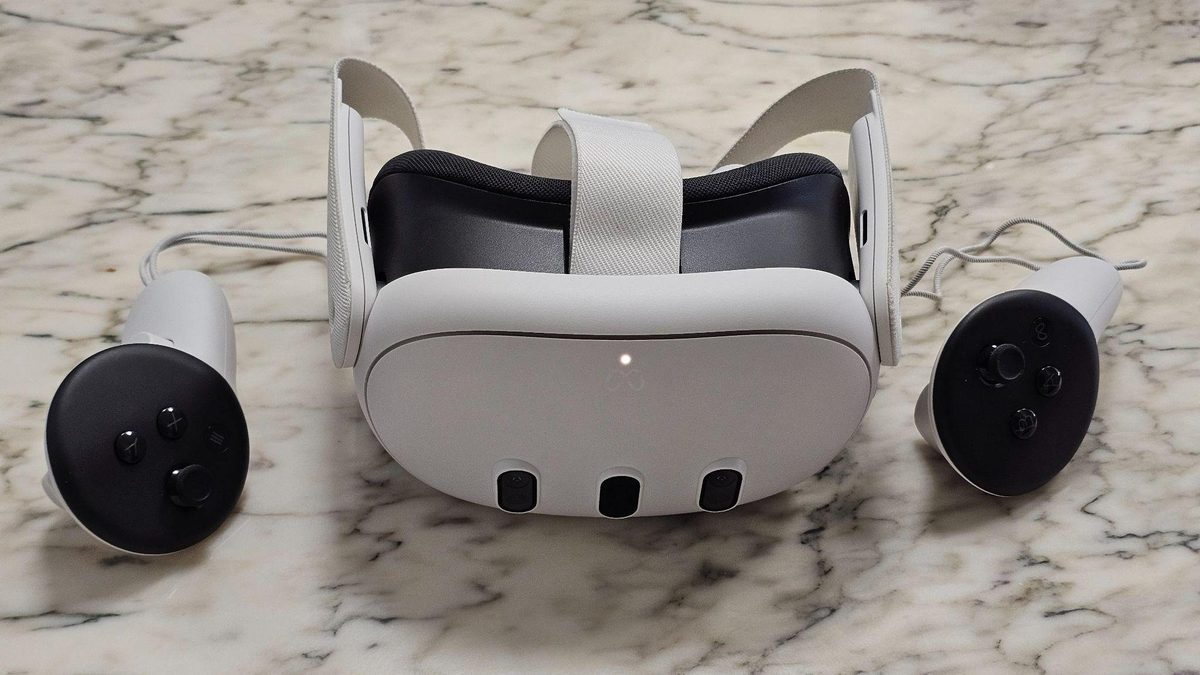
Meta Quest 3 headset and controllers, ready for the visitor.
Applications by sector
Related projects
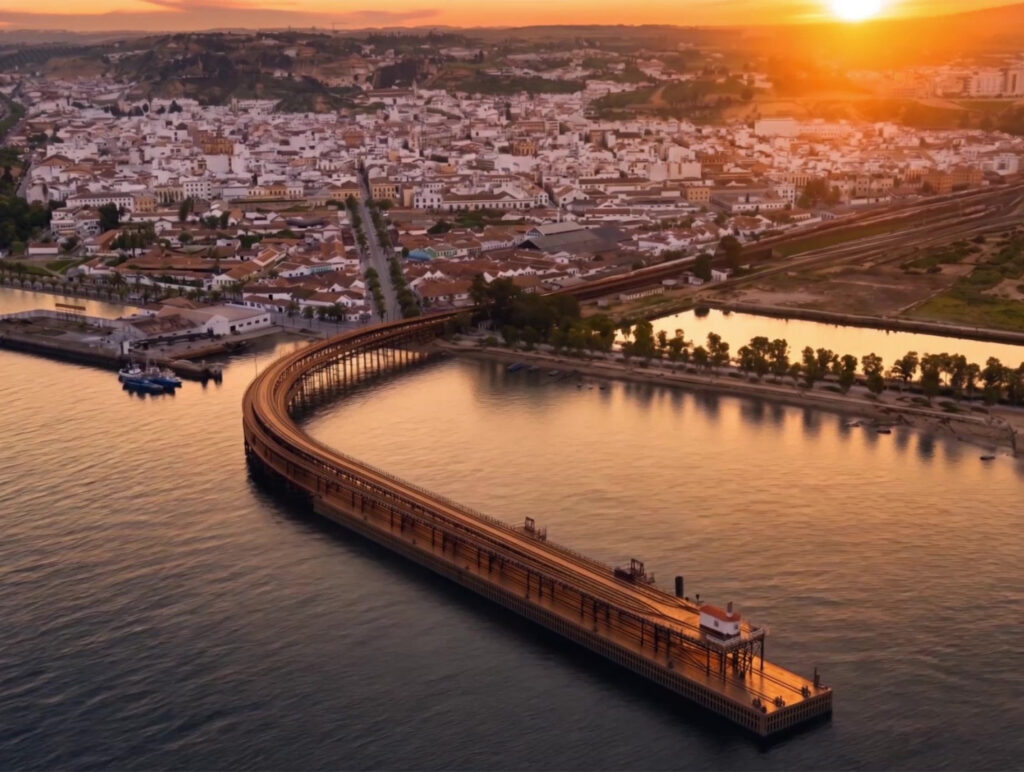
Rio Tinto VR, Huelva
For Huelva City Council: a 360° video journey back to the Huelva of 1888, along the Company’s Pier, Casa Colón, the Mercado del Carmen and the station. Free on the Meta Store, and on site with Meta Quest 3 headsets controlled from a phone.
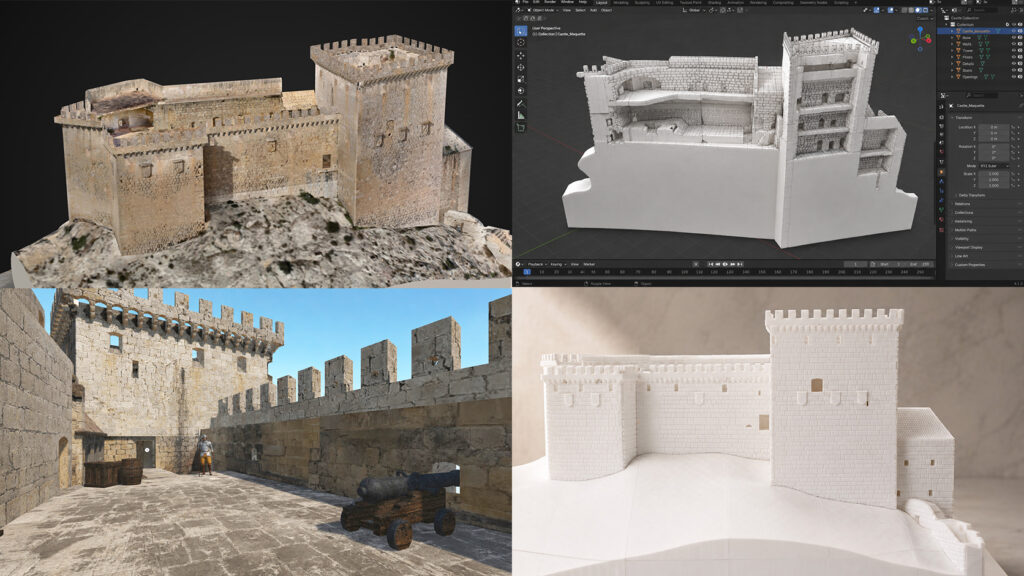
Castillo de los Vélez, Mula
A virtual reality experience for Meta Quest (“Castillo de Mula”), based on the digital twin of the sixteenth-century fortress. It lets visitors walk through a castle that is not regularly open to the public.
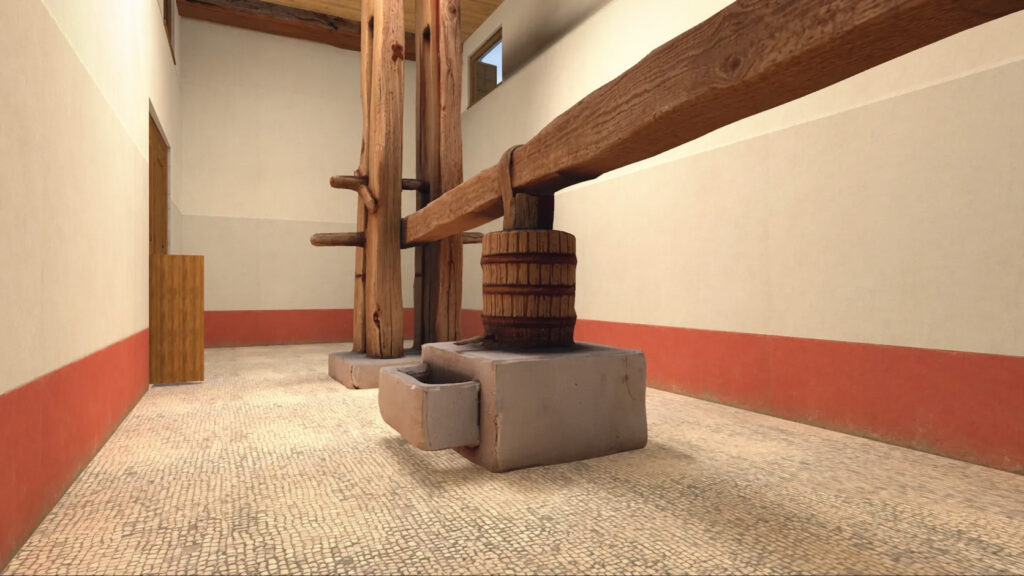
Villa Romana de Los Cantos, Bullas
A virtual reality reconstruction of the Roman villa linked to wine production, with its pars urbana and torcularium. Available for Meta Quest, together with a web viewer and a 3D-printed scale model.
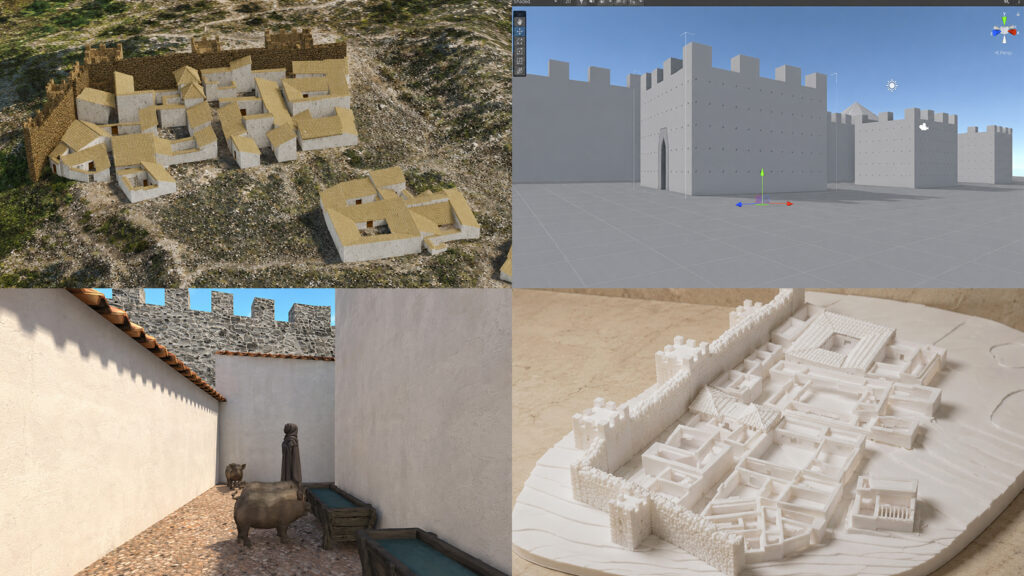
Islamic alquería of Villa Vieja, Calasparra
A virtual reality app for Meta Quest (“Villa Vieja”) to walk at life size through the twelfth- and thirteenth-century settlement beside the River Segura and to enter its houses.
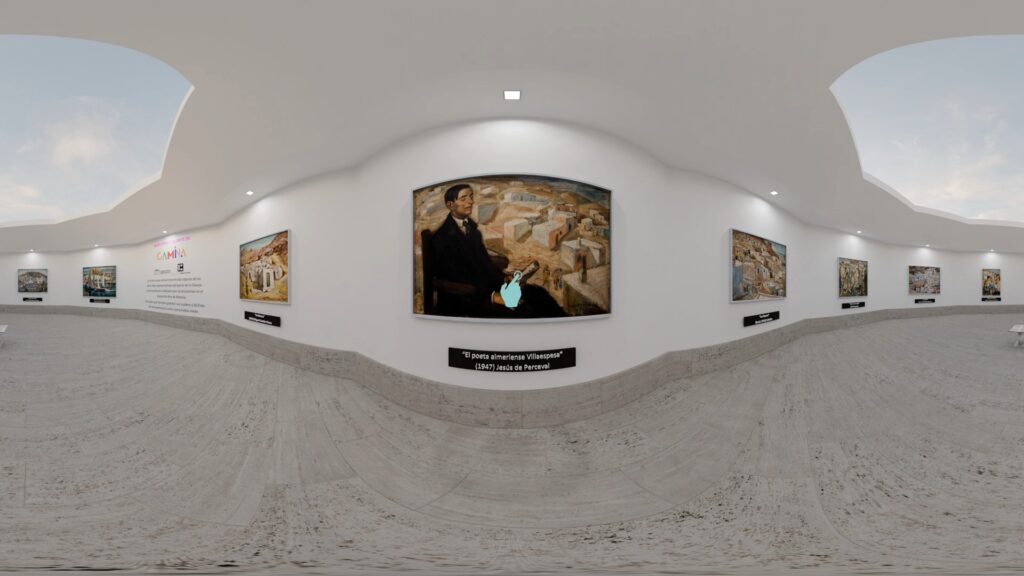
CAMINA VR, Almería
For Almería City Council, under the European Urban Innovative Actions programme: a virtual tour of the Museo de Arte Doña Pakyta on Meta Quest, in which the visitor steps inside the paintings.
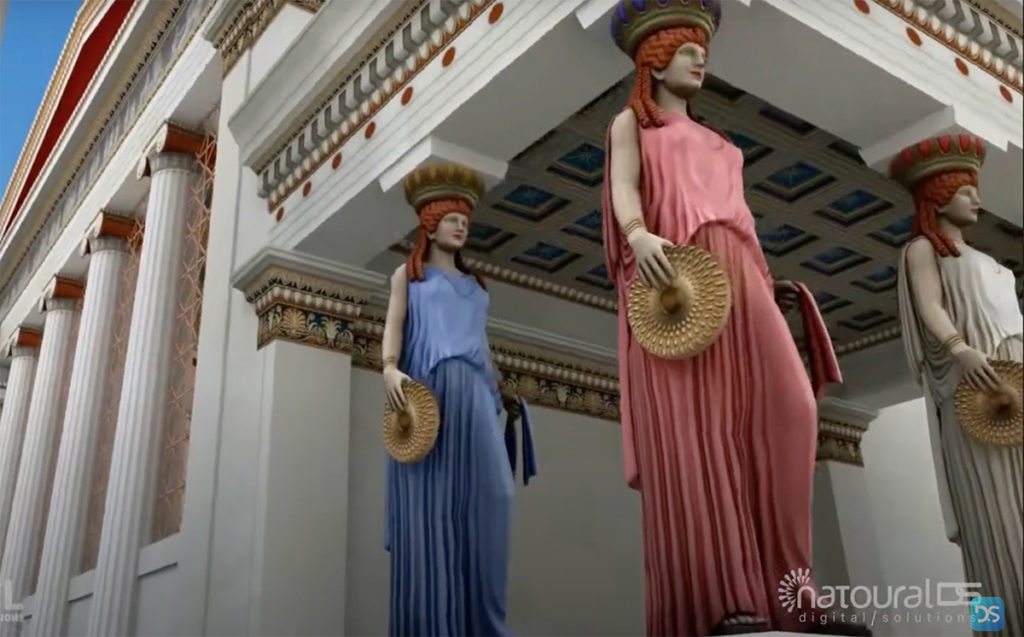
Acrópolis 3D, Greece
With Moptil: a 3D reconstruction of the Acropolis and of other sites such as Knossos and Delphi, with virtual tours, a 360° tour and graphics that overlay the reconstruction on the ruins as they stand today.
Frequently asked questions
Only a space — and, if you wish, we supply everything: configured Meta Quest headsets, a phone to control them, and our own WiFi router, so you do not have to rely on the building’s network.
360° video is a recording or a render in which the user looks in every direction; it is simple to use and ideal for groups. The interactive 3D experience lets people move around and handle objects with the controllers.
Yes. We synchronise several headsets from a phone so that the whole group sees the same experience at the same time, as we did in Rio Tinto VR.
Yes. Several of our experiences, such as Castillo de Mula, Villa Vieja or Rio Tinto VR, are on the Meta Store, so anyone can download them to their headset.
Yes: staff training, the presentation of products and industrial facilities, or walk-throughs of homes before they are built.
Yes: Rio Tinto VR in Huelva, the Castillo de los Vélez (Mula), the Villa Romana de Los Cantos (Bullas), the Alquería of Villa Vieja (Calasparra), CAMINA VR in Almería and Acrópolis 3D in Greece.
Do you have a virtual reality project you would like to discuss?
Tell us which place, product or training programme you want to take into virtual reality. We will propose a tailored solution.