


Virtual reality for historical heritage places the visitor inside a place at true scale. It is not limited to a photograph or a plan. Users walk through a fortress, an archaeological site or a reconstructed city. At Natoural DS we bring more than 15 years of experience in new technologies. We therefore combine historical documentation, 3D modelling and experiences for Meta Quest headsets.
What virtual reality brings to historical heritage
Virtual reality is useful when a monument is difficult to access. It also helps when only remains are left and the original complex needs to be explained. To do that, we start from plans, excavations or the place itself. The Instituto del Patrimonio Cultural de España (IPCE) works on the conservation and study of heritage. Any reconstruction must therefore be based on serious sources. Below we show real commissions, already published on our website.
Walk through a fortress that is not regularly open
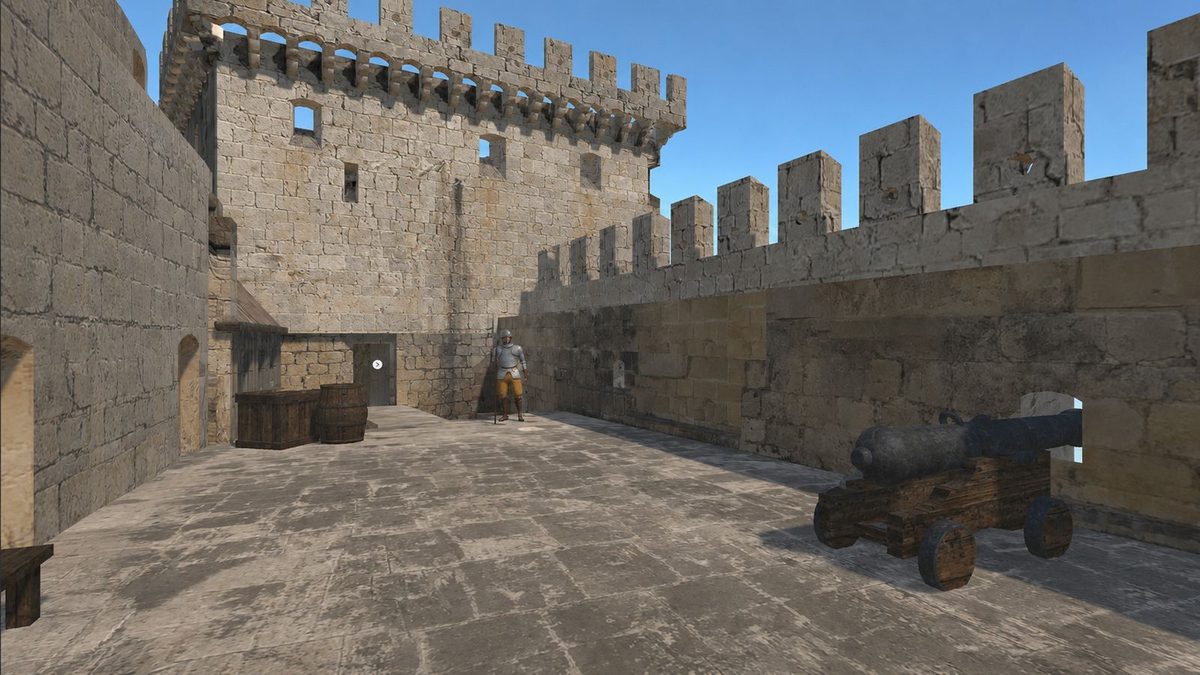
For example, at the Castillo de los Vélez we created the “Castillo de Mula” experience for Meta Quest. The fortress was built between 1520 and 1531, on an earlier Andalusi alcazaba. The visitor walks through the keep, the wall and the parade ground. The work was also done with local archaeologists and historians. It was based on survey drawings and the surviving historical documentation. The model includes the rammed-earth wall that predates the Renaissance castle. It also includes the adjoining tower-cistern. In this way, the development from the 9th-century Islamic alcazaba can be appreciated. This visit is of particular value. The castle is not regularly open to the public.
Reconstructing an archaeological site at true scale
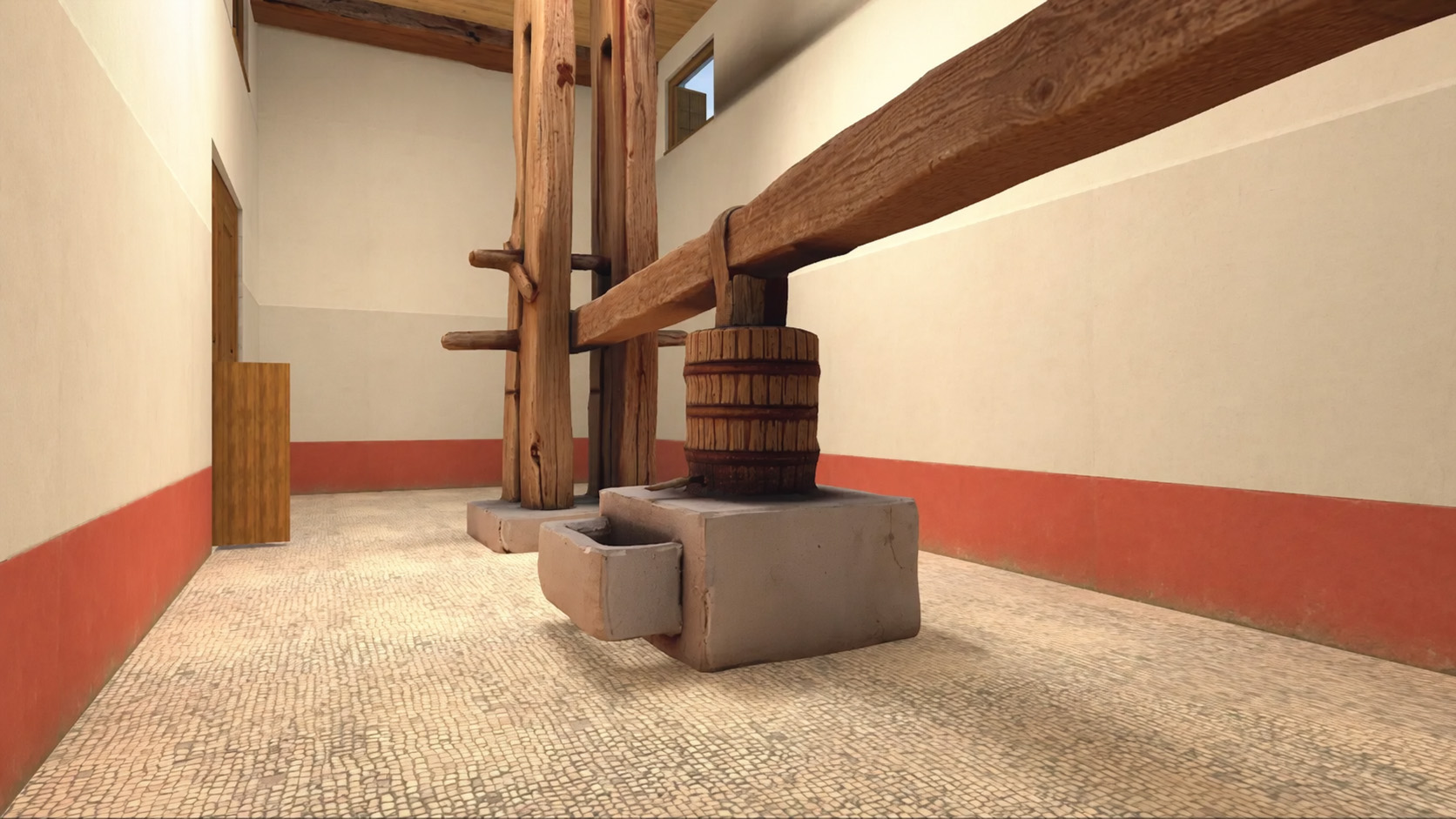
In the same way, at the Villa Romana de Los Cantos the visitor walks through the reconstructed site. They tour the pars urbana and the pars fructuaria. The virtual reality application for Meta Quest makes it possible to stand in the torcularium. There, the traditional pressing and storage processes can be observed. The reconstruction is based on excavation reports and archaeological studies. The noble rooms, the peristyle and the bath complex were modelled. So was the productive area linked to viticulture. There is also a web viewer for touring the villa in 3D from any device. The 3D-printed model is on display at the Museo del Vino in Bullas. It has Braille text and labelling. Turismo Bullas has six Meta Quest headsets with the application installed. It uses them on guided visits, wine-tourism activities and educational programmes.
Likewise, at the Alquería de Villa Vieja the user walks through an Islamic settlement at true scale. The application is called “Villa Vieja” and is designed for Meta Quest. It allows you to enter the houses organised around courtyards. The streets and the defensive systems can also be explored. The site was occupied between the 11th and 13th centuries. The virtual visit therefore shows the settlement at the height of its splendour. The same work includes a 3D-printed model, with Braille labelling. The interactive environment was also adapted for touchscreens in interpretation centres.
A historic city you can visit with a headset
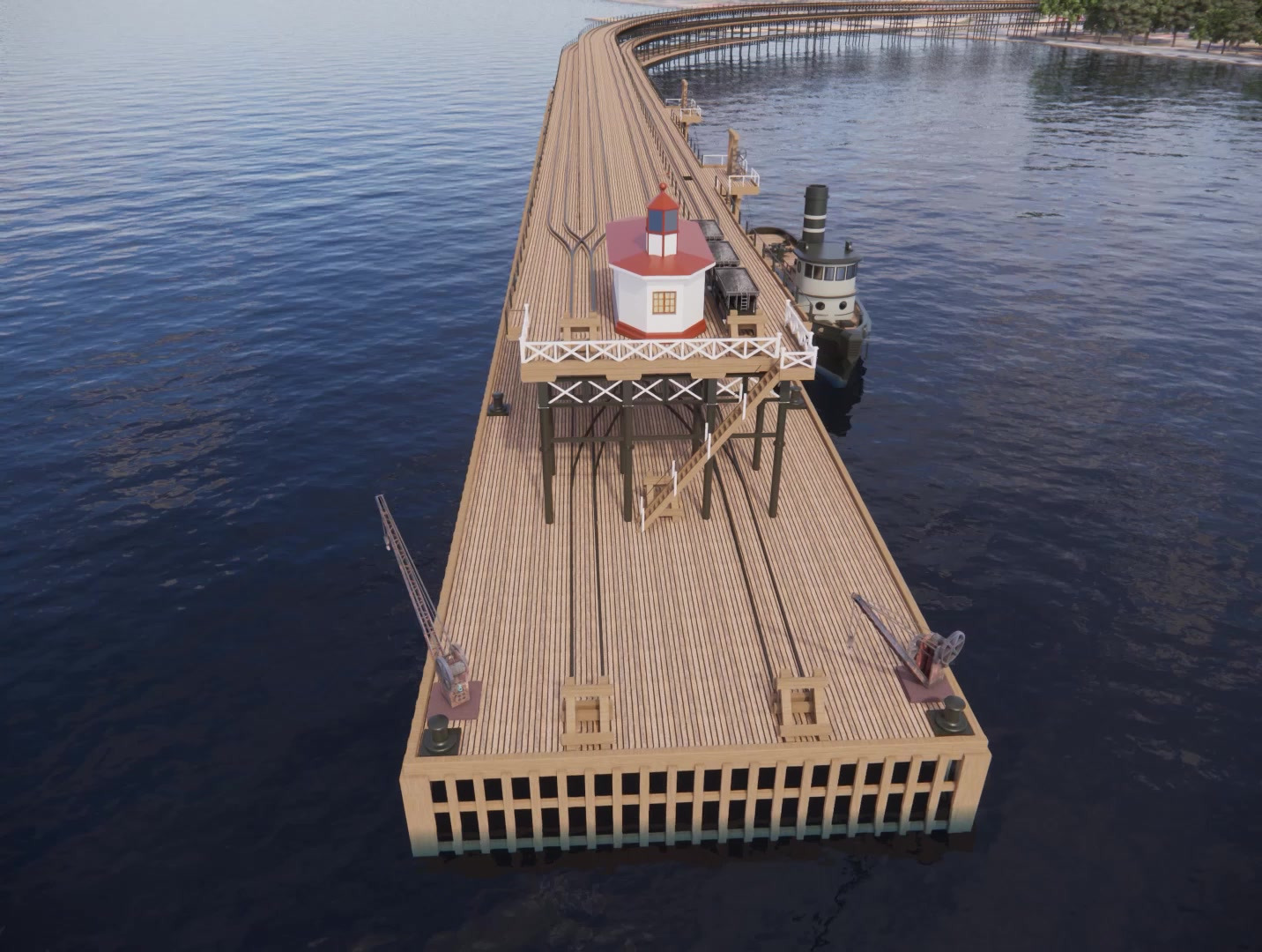
Virtual reality for historical heritage can also reconstruct an entire city at a particular moment. For Huelva City Council we developed Rio Tinto VR. With the headset, the visitor walks through the Huelva of 1888. The experience includes the Muelle de la Compañía, Casa Colón, the Mercado del Carmen and Huelva-Término station. It has been available free of charge on the Meta Store since 24 June 2026. It works on Meta Quest 2, Meta Quest 3, Meta Quest 3S and Meta Quest Pro. There are two on-site experiences, in Spanish and in English. “The pier that breathes” is an immersive 3D and 360° reconstruction. “The geometry of progress” is a 360° film with infographics. On site, Meta Quest 3 headsets controlled from a phone are also used. In this way, all visitors see the same experience at the same time.
Reconstructions beyond a single territory

On the other hand, together with the firm Moptil we developed Acrópolis 3D. The work covers virtual tours of the Acropolis of Greece. It also includes the digital reconstruction of sites such as Knossos and Delphi. The 3D modelling starts from architectural plans and historic engravings. Textures, period vegetation and documented furniture are then added. The package includes infographics, films and a 360° web tour. In this way, the visitor compares the present state of the ruins with the reconstruction. It is a use of virtual reality for historical heritage in an international context.
In a museum, the same approach is used to walk through galleries and works. Almería City Council commissioned Almería Camina VR from us for Meta Quest. The app recreates the Doña Pakyta Museum of Art. The visitor approaches the paintings of the Indalian Movement and of La Chanca. They can even enter the scene recreated in three dimensions. The project forms part of the European Urban Innovative Actions programme. It is also 80% co-financed with ERDF funds.
How to commission a virtual reconstruction
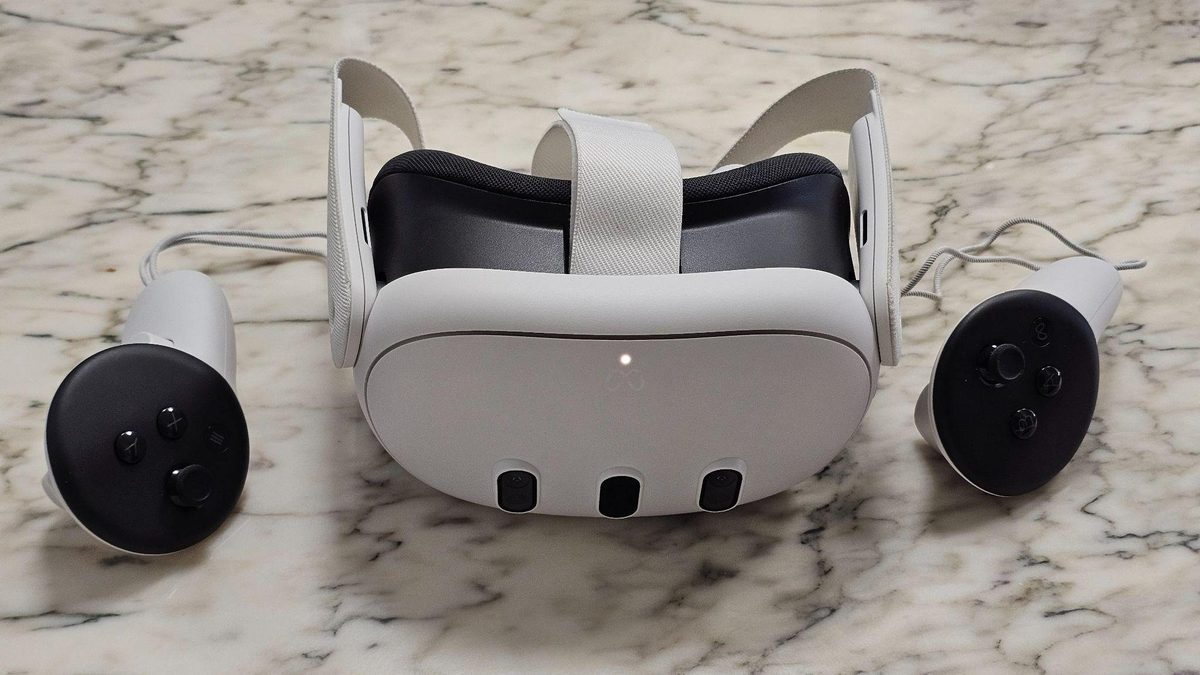
If you manage a monument or an archaeological site, you do not need to start with the whole precinct. You can begin with a tower, a room or a guided route. Virtual reality for historical heritage allows that partial start. On our Virtual Reality page we set out the process in detail. When the starting point is a 3D model of the place, a Digital Twin is also a good fit. Tell us about your project on the Contact page.

