


Immersive rooms for museums turn the visit into a shared experience. The public does not look at a screen at the back of the room. Instead, they are surrounded by image, sound and light. At Natoural DS we bring more than 15 years of experience in new technologies. We design and produce these installations for museums, interpretation centres and cultural spaces. We also stay with the commission from the concept through to turnkey installation.
What immersive rooms for museums are
An immersive room tells a story with 360° projection, surround sound and dynamic lighting. It can also integrate interactive multimedia content. The aim is not to impress with the technology. The technology should therefore serve the story the museum wants to tell. The International Council of Museums (ICOM) defines the museum as an institution in the service of society. In an earlier article we looked at museum digitalisation in a broader sense. That includes virtual reality, 3D scanning and physical models. This post focuses only on the physical room. The Spanish Ministry of Culture also offers resources on state museums. Immersive rooms for museums fit that work of public outreach. They help explain a complex story in a limited visit time.
A shared experience, without individual headsets

Unlike virtual reality headsets, immersive rooms for museums are experienced as a group. There is no need to give each person a headset. The visit is therefore immediate and accessible to audiences of different ages. A school group, a family or a guided visit share the same moment. The installation is also adapted to the building and to its objectives. It can explain a tradition, a monument or a process that is hard to recreate on site. The experience is sensory, but the story leads. The content is therefore produced to fit each place. It is not a matter of repeating a room template in every museum. The installation is adapted to the building and to its objectives.
How a room is built, from the story to installation
First, we define the story, the visitor route and how it fits the space. That phase includes the concept and the museographic design. We then produce the images, the audio and the interactive resources. Next, we install and coordinate the projection, the sound and the lighting. Finally, we programme the experience and carry out the technical installation. We leave the room ready for daily use, with simple operation. This is the same process described on our service page. It includes advice on the most suitable software and hardware solutions. It also includes the integration of the audiovisual systems. In this way, the museum receives a robust installation designed for continued use.
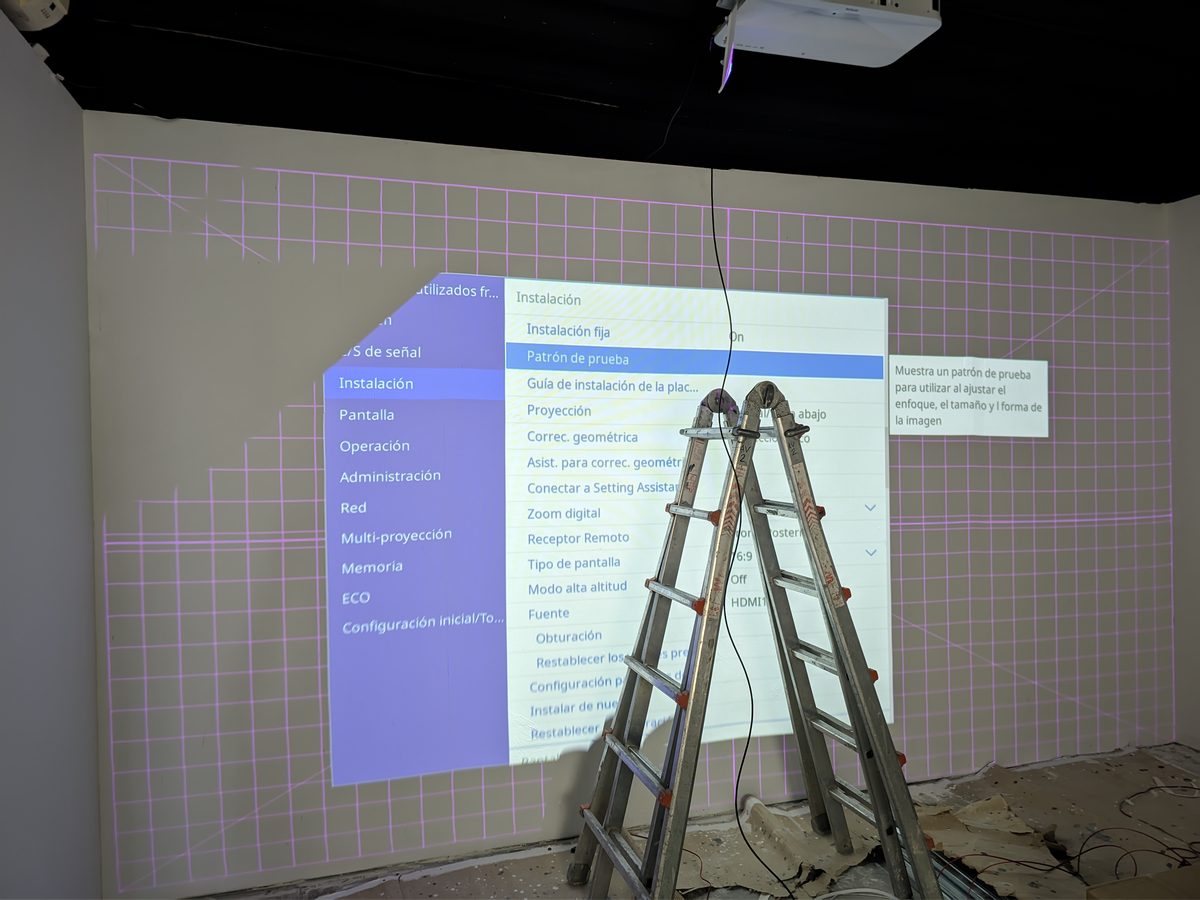
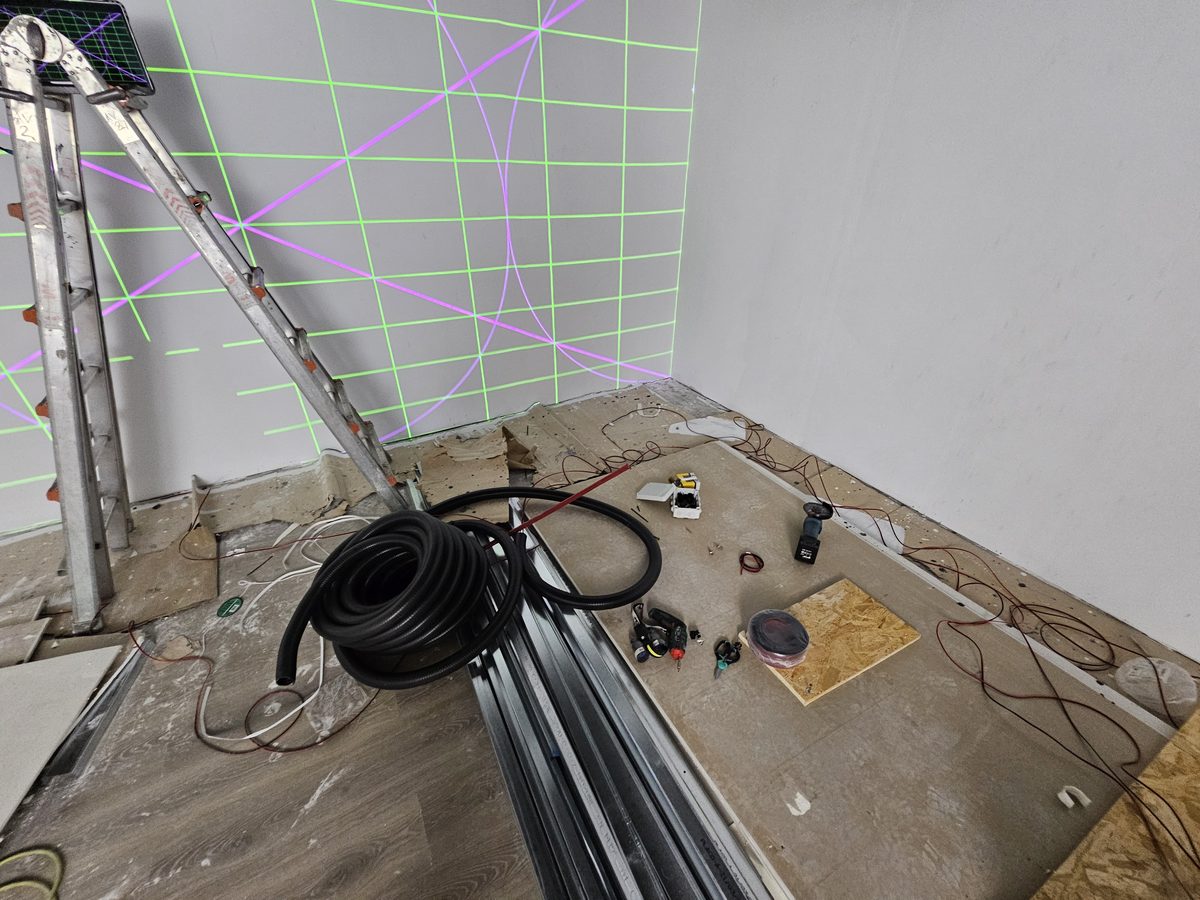
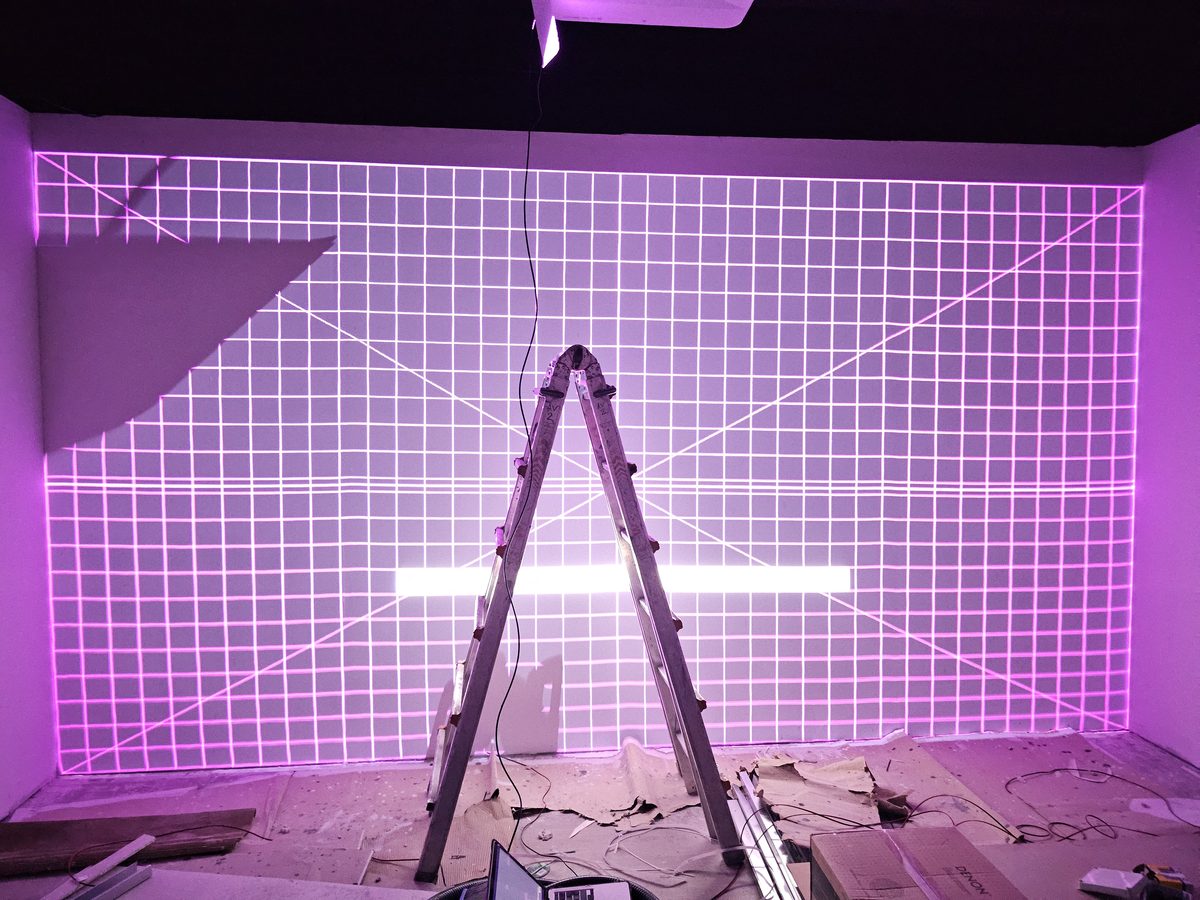
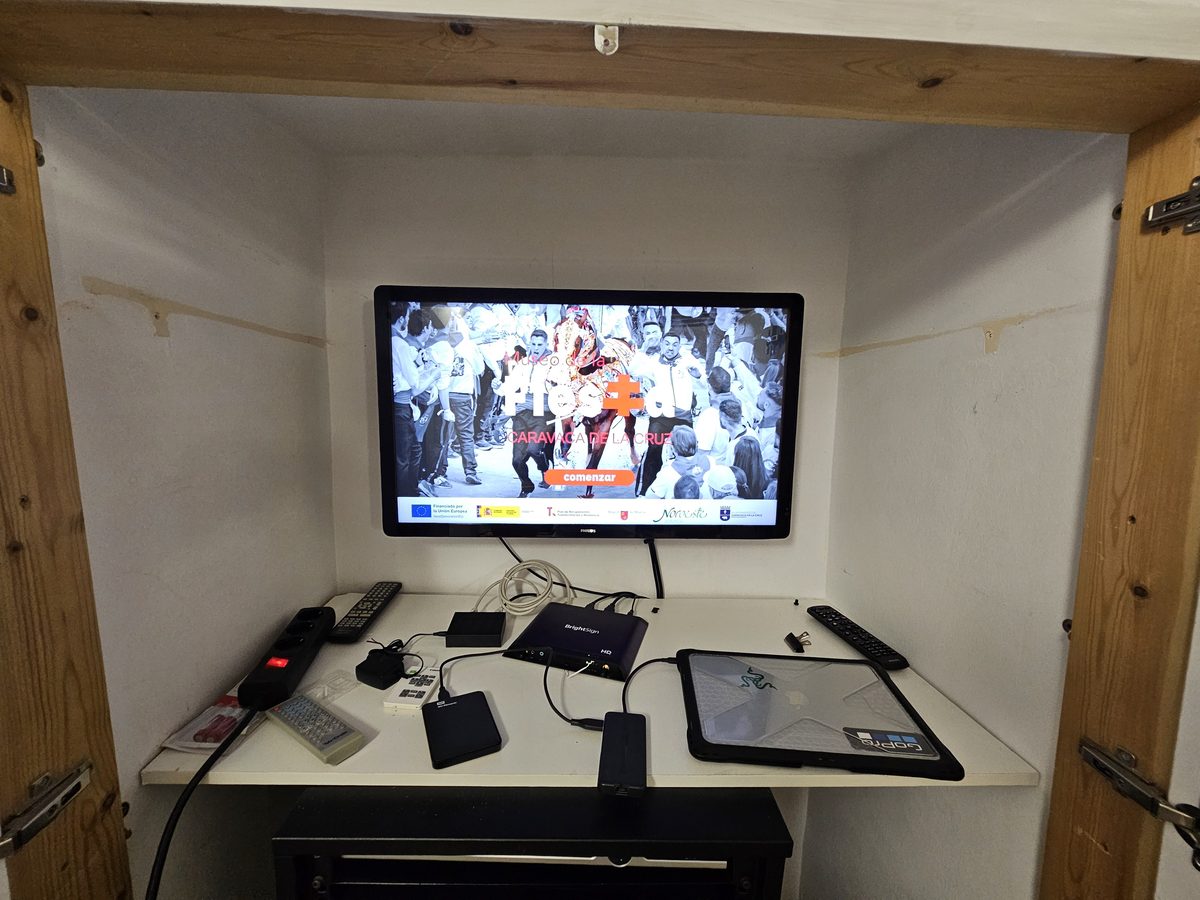
The installation is documented on site. For example, the structure is put up, the projectors are configured and the projection is calibrated. A control station is also left for the museum’s day-to-day use. In this way, the venue team can start the session without a technician permanently in the room. The photographs in this article document that installation in a real room. You can see the structure, the projector set-up and the calibration of the projection. Finally, the control station appears, with a monitor and controls for daily use.
The case of the Museo de la Fiesta in Caravaca
In particular, at the Museo de la Fiesta in Caravaca de la Cruz we designed a room of this kind. The commission came from the City Council of Caravaca de la Cruz. There we combined 360° projection, surround sound and dynamic lighting. We also integrated interactive multimedia content. The room makes it possible to walk through key moments of the festive tradition. It does so with large-format images, sound effects and digital resources. We were responsible for the concept and the museographic design. We then produced the content and installed the audiovisual systems. Finally, we handed over the installation ready for use. The aim was to bring the history and tradition of the Fiesta closer to visitors. The room strengthens the emotional connection with that festive heritage. It also supports interactive learning, designed for all ages. Immersive rooms for museums work, in this case, as one more element of the museographic narrative. They do not replace the collection or the visit to the rest of the building. Instead, they concentrate in one space the emotion and the explanation of a key episode.
What a turnkey project delivers
A turnkey project includes the idea, the content, the systems and the installation. It also includes advice on the most suitable software and hardware. If the museum asks for it, the room can sit alongside other solutions. For example, with virtual reality, augmented reality or a digital twin. We explain those formats in the article on museum digitalisation. On the Immersive Rooms page we set out the process and the benefits of this format.
How to start a room in your museum
If you run a museum or an interpretation centre, you do not need to transform the whole building. You can start with one room and a well-defined story. The Spanish Ministry of Culture brings together information and resources on state museums. We help you specify the commission on the basis of your space. Immersive rooms for museums work better when the story is well defined. In this way, the visit is understood and remembered. It can later be extended to other rooms or to other formats. Tell us about your project on the Contact page.

